ETC INTERNATIONAL FREIGHT SYSTEM
Global Logistics, International Shipping, Freight Forwarders in California, Air, Ocean shipping, Transportation, Shipments
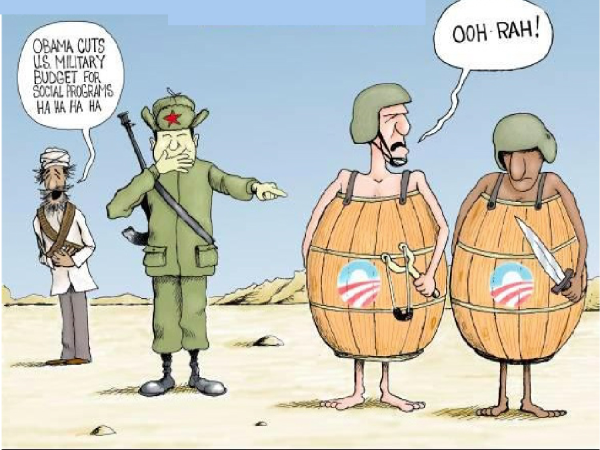
In the JOC report (see below) of 2/19/2013 they said: "
Whether or not the so-called sequestration takes effect March 1, the message to the trade and transportation community is clear: Expect more bumps and prepare for cuts. The nation’s fiscal tightening threatens not only freight-related transportation programs but also general commerce, particularly shippers and carriers involved in military contracting."
Freight Industry Braces for Sequestration
Mark Szakonyi, Associate Editor | Feb 19, 2013 3:38PM EST
Whether or not the so-called sequestration takes effect March 1, the message to the trade and transportation community is clear: Expect more bumps and prepare for cuts. The nation’s fiscal tightening threatens not only freight-related transportation programs but also general commerce, particularly shippers and carriers involved in military contracting.
Even if Congress blunts or pushes back $85 billion in federal spending cuts, fiscal tightening will still be needed in the coming years. Increased tax revenue from a recovering economy won’t offset expanding entitlements programs such as Medicare and Medicaid, and Congress and the Obama administration have shown little appetite for a grand deficit reduction deal.
However Congress handles the most immediate deadline, the potential impact of the first wave of a $1.2 trillion in total cuts over the next 10 years shows just how intertwined business will be to the federal government’s inaction. J.P. Morgan expects U.S. economic output growth to shrink to 1.9 percent from 2.1 percent if the $85 billion worth of cuts take effect, according to reports.
Federal programs that directly and indirectly affect transportation face more than $1.7 billion in budget cuts, including $41 million less for the Transportation Investment Generating Economic Recovery program (TIGER), according to a White House report released in September. That estimate doesn’t include the more than $600 million in cuts threatening the Federal Aviation Administration, which would lead to furloughing “a large number of air traffic controllers and technicians,” Department of Transportation Secretary Ray LaHood wrote in a Feb. 11 letter to the Senate Appropriations Committee.
“All of this means a less efficient and less convenient air travel service for the American traveling public, as well as impacts to our economy,” LaHood wrote. “Civil aviation contributes 10 million jobs and $1.3 trillion annually to the U.S. economy, and sequestration places this contribution in jeopardy."
Transportation trust funds are exempt from sequestration cuts, but general fund injections into them aren’t. General payments into the Federal Highway Administration’s trust fund, for example, would be reduced 7.1 percent, or $471 million. And the Army Corps of Engineers faces an 8.2 percent or $150 million cut that would wipe out $72 million from the Harbor Maintenance Trust Fund and $6 million from the Inland Waterways Trust Fund. Other major cuts would include a $10 million loss of freight differential grants for U.S.-flag ocean carriers and $2 million less for Surface Transportation Board, the regulating agency of the railroads, according to the White House report.
Technology Mobilizes Freight Transportation
David Biederman, Special Correspondent | Feb 20, 2013 11:46AM EST
A new mobile paradigm is emerging, with mobile devices and apps becoming key connective cogs in the transportation cycle.
Mobile technology is hardly new to the freight transportation world. Qualcomm rolled out its mobile computing platform in 1988, and UPS launched its first Delivery Information Acquisition Device in 1991.
The difference today is vastly improved mobile technologies and a proliferation of devices and apps. Now that companies can be in constant contact with their drivers, assets and cargo, and receive continuous real-time shipment data, the challenge for fleet managers is to leverage that connectivity to develop new capabilities and services and further reduce costs, said Mike Mulqueen, senior director of product management for global supply chain technology company Manhattan Associates.
The mobile-enabled “continuous connection” paradigm includes wireless networks that provide vast amounts of data quickly and cheaply, vehicle telematics including GPS, trailer sensors, engine diagnostics, and detailed information about driver and vehicle performance.
Mobile devices provide dynamic content about weather, fuel prices, traffic conditions and third-party loads that can be integrated into back-office systems for improved dispatch and route planning. They can capture consignee signatures; identify OS&D (Over, Short, Damage) situations to initiate claims processes; standardize communications for reporting and analysis; and manage regulatory compliance.
The full value of mobile data is realized in what Mulqueen calls the orchestration layer of the mobile paradigm, in which back-end systems are employed to integrate the vast amounts of disparate data flowing into the enterprise.
“The orchestration layer is responsible for identifying the type and criticality of the data,” Mulqueen said. “By merging and synchronizing the data into a single freight and mobile asset management system, an enterprise has unprecedented visibility into their shipping activities.”
Diagnostic mobile data is being leveraged to drive down fuel and insurance costs, aid in accident recreation, and reduce detention charges and other assessorials. Real-time information on inventory in transit is used to allow for more efficient inventory and transportation planning.
In terms of freight payment, mobile phones can capture and send EDI-type data so carriers can initiate payments. Most major carriers already have those processes. Small carriers and owner-operators are the primary beneficiaries of advances in mobile technologies, through which they can access portals such as Manhattan Associates’ Logistics Gateway.
The portal serves as a collaboration platform for shippers, carriers and suppliers to exchange information about invoices, orders, fulfillment, shipment status and more. It facilitates inspections and quality assurance, shipping and chargeback programs, and requisition and purchase order management.
Fast-flowing mobile data and back-end analytics have helped carriers understand which customers are profitable and which not so much. It helps them evaluate the efficiency of shipper operations, and correlate that to rates.
Contact David Biederman at inexdb@comcast.net.