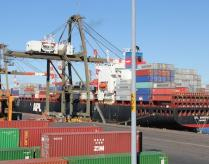
 The Los Angeles Harbor Commission recently postponed voting on a proposed annual general rate increase based on the consumer price index. This delay affords cargo shipping lines and terminal operators an opportunity to formulate an action plan opposing an automatic general rate increase. Long Beach and Oakland Ports are also considering the same plan.
These container ports have antitrust immunity under the California Association of Port Authorities. Rate increases or reductions are typical handled in unison under CAPA, so no individual port will divert cargo from another California container port, based on per-port charges.
How California Container Ports May Be Affected by Annual GRI
Los Angeles Port is the first to take up the new CAPA policy proposal. The Oakland commission and Long Beach will follow. Under the proposal, California’s container ports each year would automatically implement a general rate increase using the consumer price index to determine the amount of the increase.
Kathryn McDermott, the port’s Deputy Executive Director, indicates that if, for instance, the plan is adopted, the 2013-14 increase would be 1.7%. That would increase container rates by approximately 68 cents per unit.
- For port customers that paying several million dollars in fees, this increase would amount to $25K - $35K.
- For larger terminals that pay $45 million per year, the increase would be about $750K.
Each subsequent year, port staff would formally submit a request to the harbor commission for an increase based on the consumer price index. Port staff would also connect with port tenants and their customers to discuss rates and request feedback on port commerce outcomes and possible consequences.
Even though the general rate increase is considered an automatic process, the harbor commission would decide whether to accept port staff recommendations, modifying a proposed increase or turning it down until the next year review.
California’s container ports currently impose rate increases and reductions on an as-needed basis. The last increases were implemented in 2005. During difficult economic times, the ports help out by giving rebates and incentives back to port tenants.
The Pacific Merchant Shipping Association, the Los Angeles Customs Brokers and Forwarders Association and the International Longshore and Warehouse Union have all expressed opposition to the automatic annual general rate increase.
Pacific Merchant Shipping Association Vice President Michelle Grubbs believes that port charges should be determined by port needs, with consideration given to competitive positioning of California’s ports in relation to ports in Canada, Mexico and on the East Coast of the United States. She contends that basing an annual increase on the consumer price index does not take into consideration these competitive commercial factors.
Grubbs states that the best means for ports to increase revenue would be to increase cargo volume, of which California’s ports have had a losing market share in recent years. Competition continues to increase, with larger ships now utilizing the Suez Canal route from Asia to East Coast ports, and with the upcoming Panama Canal expansion project.
Beneficial cargo owners across the United States have indicated to brokers and forwarders that California’s port charges are among the highest in the country, a confirmation that general rate increases will have a notable effect on consumers. These ports need revenue to continue building world-class facilities, enabling a competitive positioning in the shipping industry. But if cargo port fees increase without consideration to the commercial marketplace, cargo will invariably be moved elsewhere, thereby negating any competitive advantages to be gained by cutting-edge facility construction.
 ETC International Freight System is an international shipping company and international freight forwarder based in Carson, California. With nearly 30 years experience in ocean cargo transport, we have an expert understanding of all the ins-and-outs of commercial shipping. As a result, we are able to provide invaluable information to our commercial clients to help them make the most of their shipping dollars. We possess the know-how, so you don’t have to.
We are happy to start by providing a no-cost, hassle-free rate quote on ocean shipping for manufacturers, retailers and wholesalers. From there, we can discuss additional considerations of the shipping process, so your business can start shipping goods to paying customers right away!